
We Opened a Greater Seattle Roof and Found Almost No Insulation. Here’s Why That’s a Problem… and an Opportunity.
Fall is sneaking into the greater Seattle area the way fall always does around here: one minute you’re grilling on the deck in a T-shirt, the next you’re hunting for the good socks and wondering why the hallway feels like a walk-in cooler.
If a tiny voice in your head has started whispering, “Should I be worried about the insulation in this house?” — congratulations. That voice is smarter than the thermostat you keep bumping up two degrees at a time.
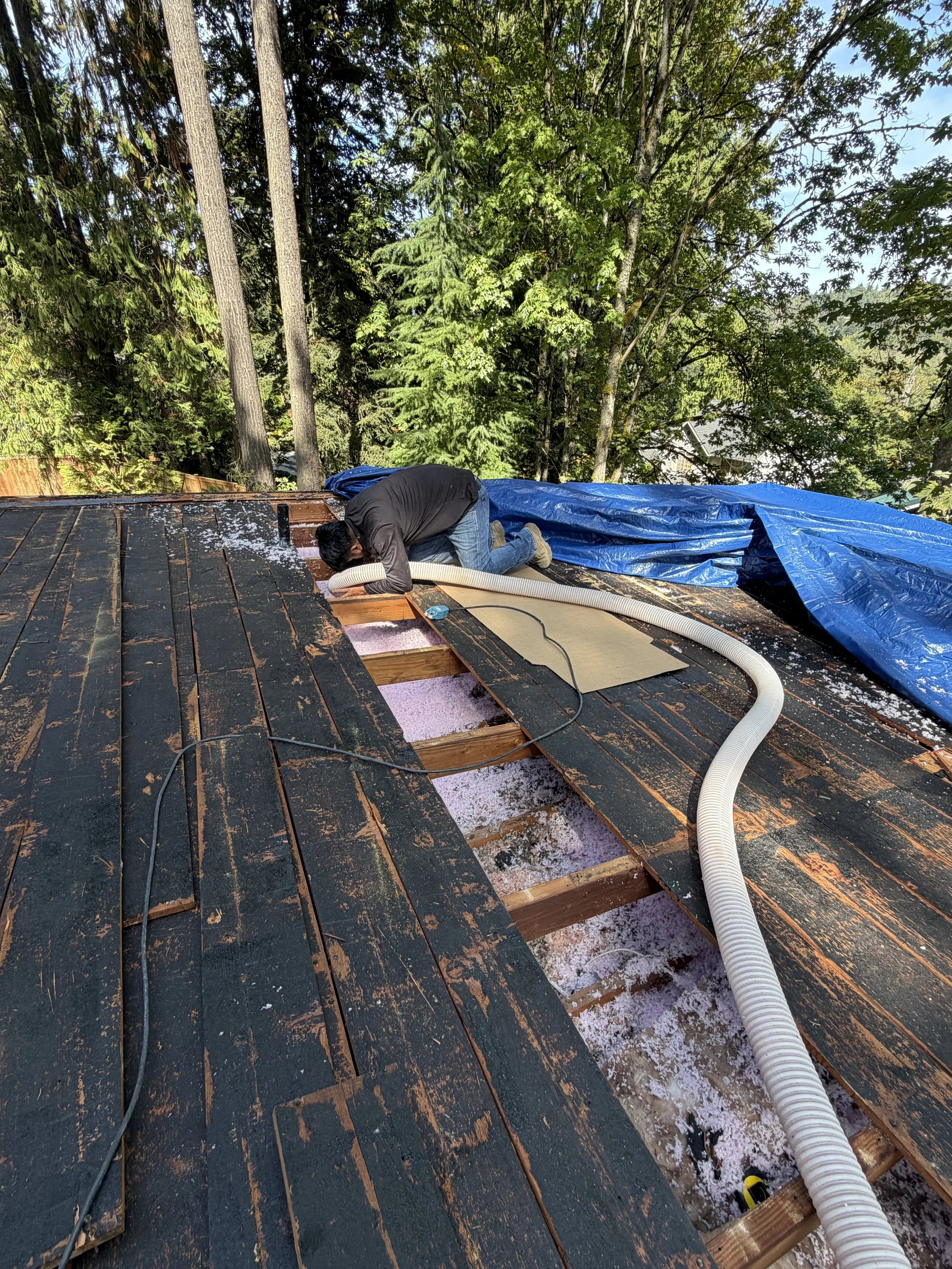
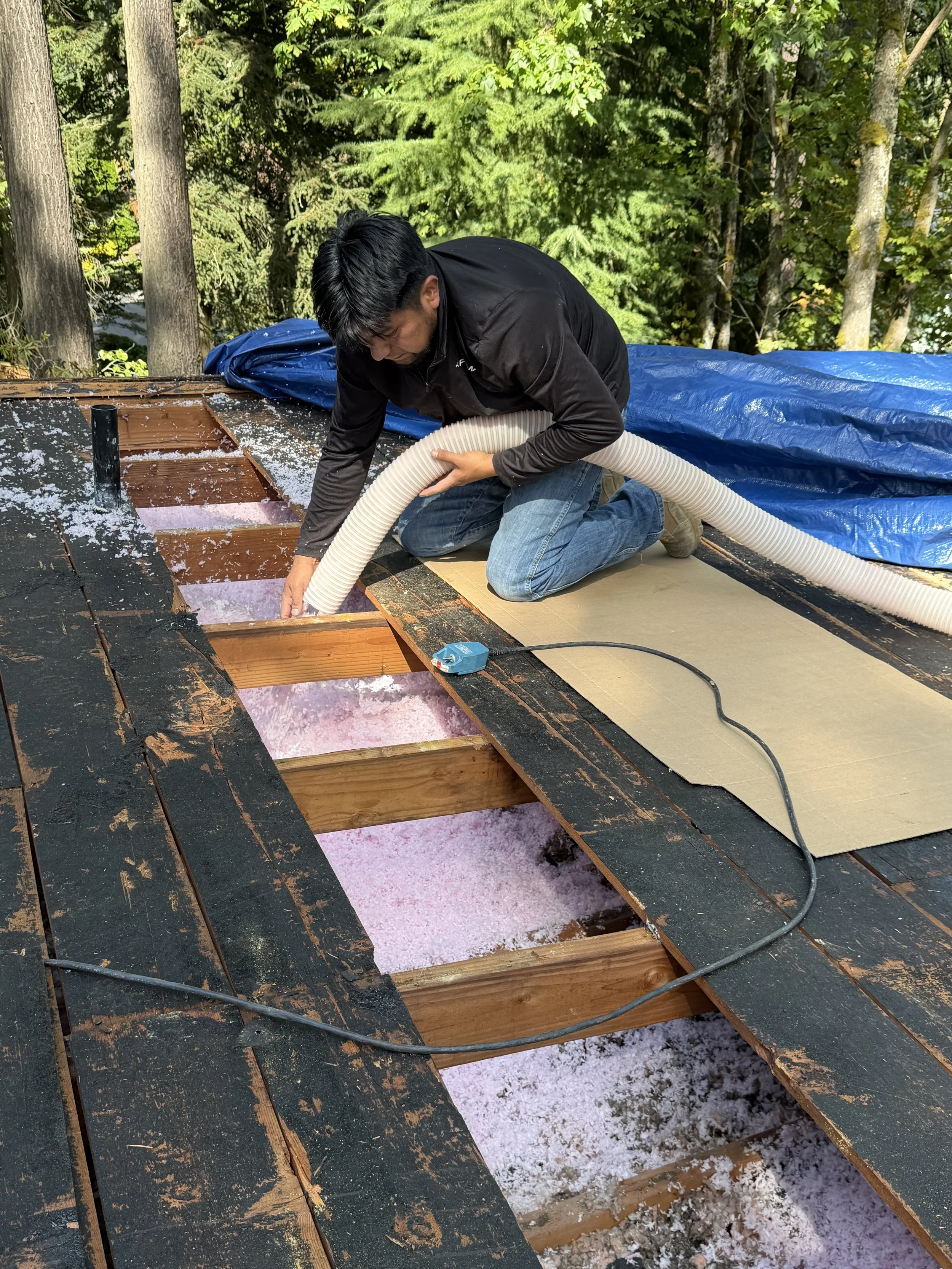
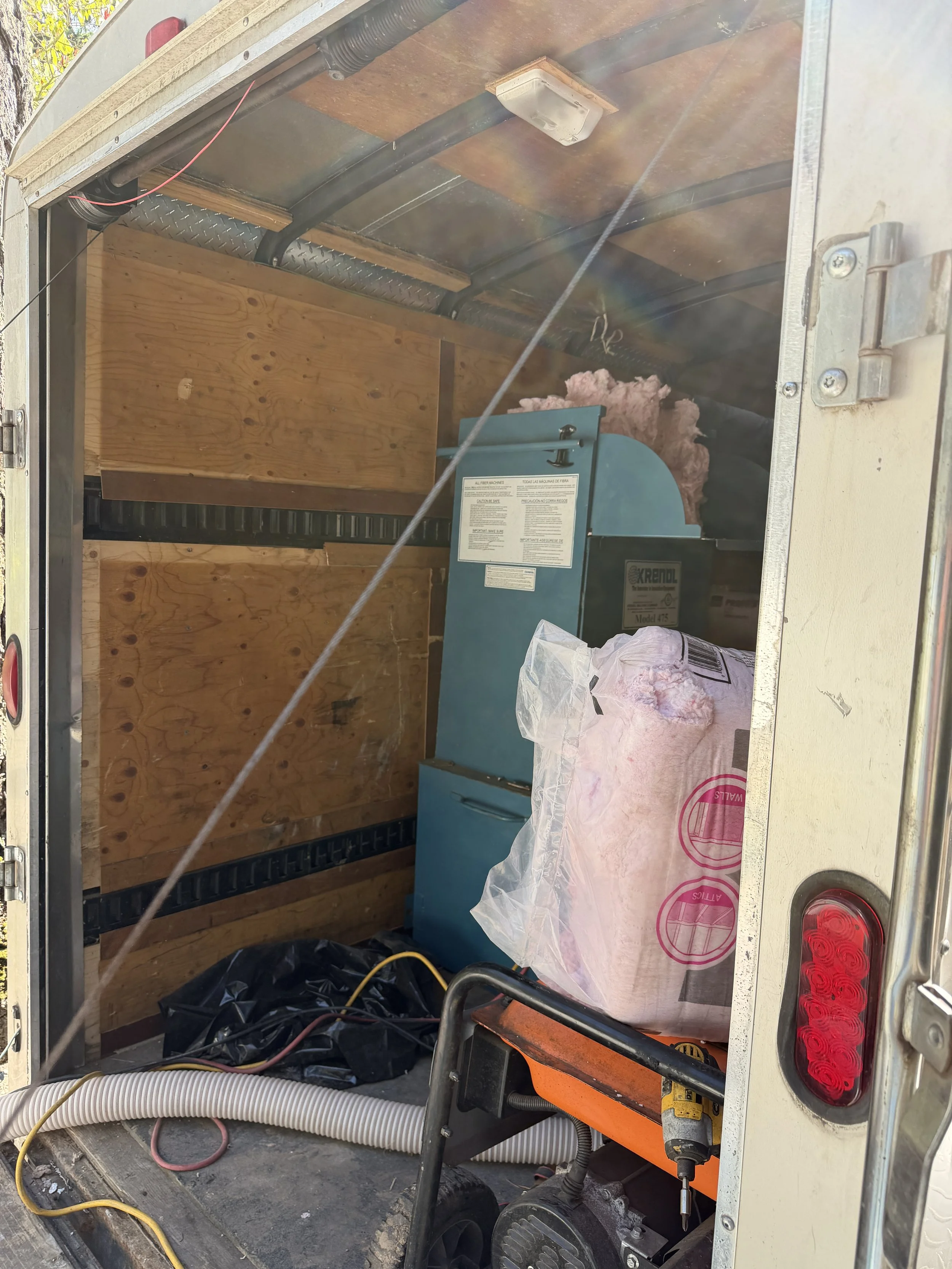
I’m standing on a project in the greater Seattle area right now, and we are blowing in insulation from the roof. Not because we woke up craving a cardio workout with a giant insulation hose (though that is a look), but because we are replacing the roof. And if you are already opening things up at the top of the house, that is the golden-ticket moment to find out what your attic has actually been working with.
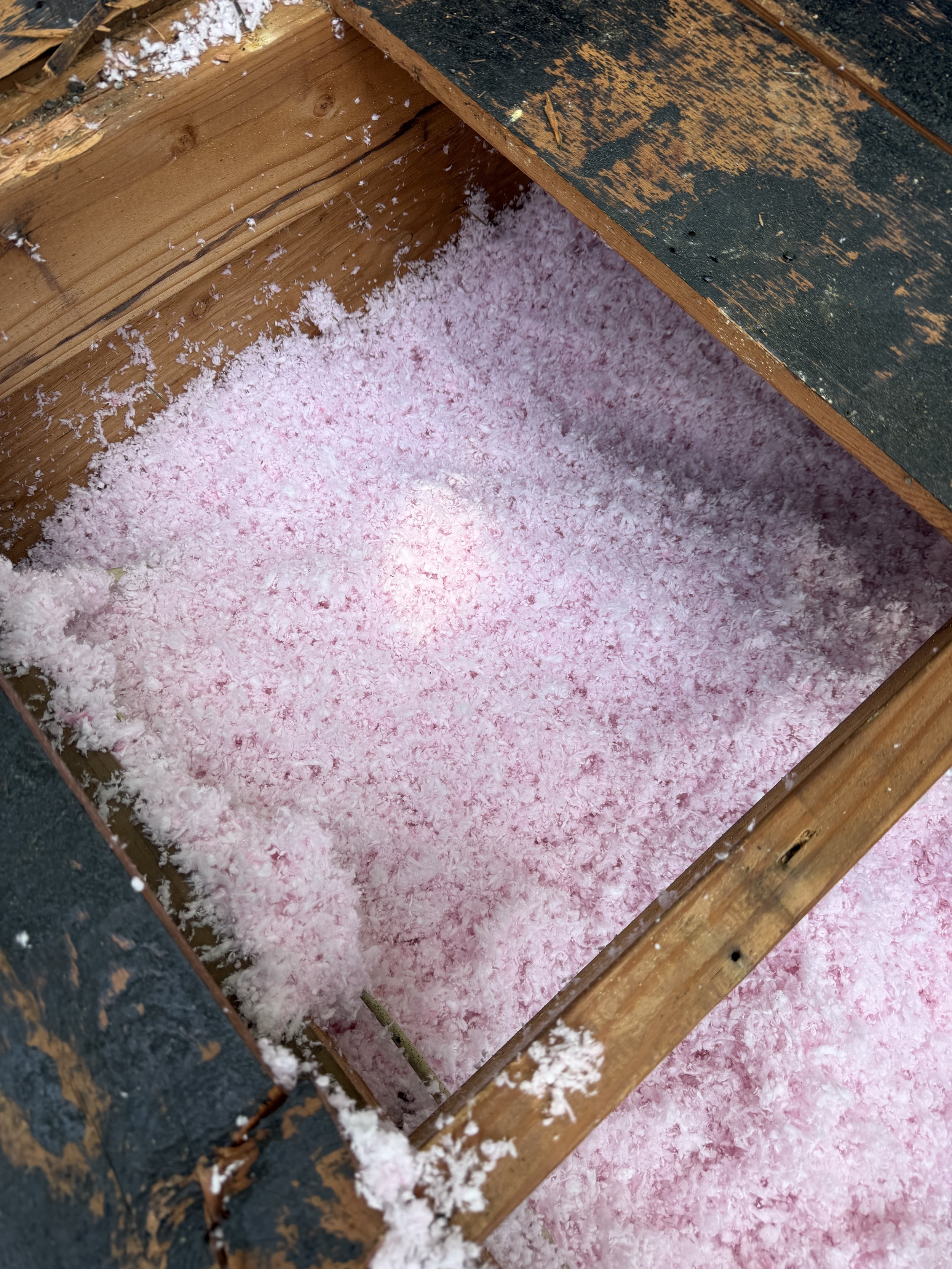
Spoiler: in many areas there was next to no insulation. In others, maybe an inch or two. That is not a cozy Pacific Northwest winter strategy. That is a house wearing a tank top in November.
Why a roof replacement is the perfect time to talk insulation
Most homeowners think of a roof as “the thing that keeps the rain off the dining table.” Fair. In Seattle, Bellevue, Mercer Island, and the rest of the greater Seattle area, rain is not a rumor. It is a roommate. A roof is also the lid on your thermal cookie jar. Heat rises. In winter, a poorly insulated attic is an all-you-can-eat buffet for warm air trying to escape into the night. You pay to heat the house. The house shrugs and donates that heat to the clouds.
When a roof is coming off, you get a rare look at the attic from above. No crawling through a tiny hatch with a flashlight and a prayer. You see the gaps, the thin spots, the “wait, is that supposed to be empty?” corners. That is exactly what happened on this job. We opened things up — and the attic told on itself. Pairing blown-in insulation with a roof replacement is a do-it-once move: the crew is already there, the structure is already accessible, and you finish the story the new roof started.
The surprise hiding in a lot of greater Seattle attics
Here is the plot twist we see more often than we would like: older and even mid-era homes around Seattle look finished and loved on the inside. Nice floors. Fresh paint. A kitchen that makes Saturday pancakes feel official. Then you get into the attic and find insulation that would not keep a picnic cooler cold.
On this project, large stretches had next to nothing. Other stretches had an inch or two. That is not “a little light.” That is a home that has been leaking comfort for years. Why does this happen? Living rooms get the glory. Kitchens get the photos. Attics get ignored because nobody hosts dinner parties up there. Insulation also settles and gets disturbed over decades of “we’ll deal with that later.” Later arrives as a heating bill and cold feet.
Plenty of greater Seattle homes were built before modern energy expectations. Washington’s marine climate is not Minnesota-brutal, but it is damp, cool, and persistent. Comfort here is not about surviving one icy weekend. It is about not shivering through five months of gray.
What we blew in: clean, new, fresh fiberglass and a better R-value
So we did the satisfying part. We blew in wonderful, clean, new, fresh fiberglass insulation. Not the sad, dusty leftovers of 1978. New material. Even coverage. The kind of install that fills the awkward corners batts love to skip.
Blown-in insulation is the right tool for a job like this because attics are not polite, empty boxes. They are obstacle courses of joists, wiring, vents, and odd angles. Loose-fill fiberglass gets into those gaps. It levels out the thin spots. It turns “an inch here, nothing there” into a consistent thermal blanket.
The goal is a greater R-value. R-value is simply a score for how well insulation resists heat moving through it. Higher number, better resistance. Think of it as the difference between a light cardigan and a real winter coat. You can wear the cardigan in September. You will not be grateful for it in January on a windy Mercer Island evening.
For Seattle-area attics, the target R-value is much higher than “whatever was fashionable when the house was built.” We will spare you the code tables. If you have one or two inches of old insulation, you are not in the comfort zone. Clean blown-in fiberglass is how you climb toward the R-value your winter self actually wants.
And yes, the homeowners are very excited. Not “we bought a new throw pillow” excited. The “we are going to be snug and warm this coming winter” kind. Insulation is invisible when it is doing its job. You notice it in rooms that finally feel even, a furnace that stops training for a marathon, and a morning that does not start with a gasp.
Fall is the season your future self will thank you for
This conversation hits different in September. The first cool nights are already testing the house. By December, crews are booked, the weather is moody, and you are living inside the problem instead of fixing it. Fall is the window. If a roof replacement is already planned, put insulation on the same punch list. If you are simply tired of drafts and a second floor that feels like another climate zone, that worry is data. Homes talk. Cold corners are one of their favorite sentences.
A better insulated attic does not just make winter nicer. It helps the house hold a steady temperature. You stop negotiating with the thermostat. You stop wearing a hoodie at dinner like it is a personality trait. You get to enjoy the house you already paid for.
That is the heart of our tagline: improve your home, improve your life. We are not blowing insulation into an attic for the thrill of the hose. We are making a real change so a real family can live better in the place they come home to.
What “worried about the insulation” usually looks like
You do not need a thermal camera to suspect a problem. Greater Seattle homeowners notice the same clues: rooms that never catch up, a second story that is toast in summer and chilly in winter, climbing energy bills, a roof that is due for replacement, or an older home that has had plenty of love downstairs and almost none above the ceiling. If that sounds like your Tuesday, you are not being dramatic. You are being observant. This project started as a roof replacement and became a comfort upgrade because we looked. Looking is free. Living with an empty attic is not.
Homeowners sometimes picture insulation as those pink hardware-store blankets. Batts have their place. On an open attic during a roof replacement, blown-in fiberglass earns the spotlight because it fills space cleanly and consistently. Will it make your house look different from the street? No. Will it change how the house feels at 7 a.m. in January? That is the upgrade people remember.
If you are in greater Seattle and this is starting to sound familiar
You do not have to wait until you can see your breath in the hallway. You also do not have to guess. If you are replacing a roof, ask what the attic looks like before the new lid goes on. If you are simply worried, say so. We would rather have an honest conversation now than a chilly one in February.
Baklinski Home Improvement is a local, family-owned team serving Seattle, Mercer Island, Bellevue, Kirkland, and the surrounding greater Seattle area. We show up for the work that actually changes how a home lives — the unglamorous, high-impact stuff included. Blown-in insulation from the roof during a replacement is exactly that kind of work: not flashy, wildly practical, and deeply felt once the rain returns for its long winter residency.
Ready to be snug this winter?
If you are worried about the insulation in your home, give us a call at Baklinski Home Improvement. We would be happy to help you. Tell us whether a roof is coming off, whether the upstairs never feels right, or whether you just want someone who will look at the attic without making you feel silly for asking.
Call (206) 681-6634 or request a quote at www.baklinski.com. Fall is already on the porch. Let’s get your attic dressed for the season.
